Inde : Kalyanasingpur
Kalyanasingpur, nestled in the verdant heart of Karnataka state in southern India, is a vibrant micro‑region whose population stands at 66,029 acco...
Kalyanasingpur : L'Essentiel
Kalyanasingpur, nestled in the verdant heart of Karnataka state in southern India, is a vibrant micro‑region whose population stands at 66,029 according to the latest census, making it a densely settled yet culturally rich locale. The area spans roughly 260 square kilometres, comprising undulating hills, fertile river valleys along the Kaveri, and patches of dense tropical forest that shelter a variety of wildlife, including the elusive Bengal tiger that occasionally roams the nearby Biligiri Rangaswamy Tiger Reserve. The climate is distinctly seasonal: cool, dry winters from December to February with temperatures ranging from 12 °C to 20 °C, and a hot, humid monsoon period from June to September, delivering an average rainfall of 850 mm that nourishes the extensive paddy fields, millets, pulses and fruit orchards that dominate the agrarian landscape. Historically, Kalyanasingpur has occupied a strategic position on the ancient caravan route that connected the Malabar coast with the interior plateau, and archaeological findings indicate continuous habitation since the early medieval period, with temples dedicated to Shiva and Vishnu, colonial‑era administrative structures, and traditional wooden houses that illustrate a blend of indigenous and British influences. Demographically, the region enjoys a balanced gender ratio, a median age of 31 years, and a youthful workforce that is increasingly transitioning from traditional subsistence farming to diversified occupations such as agro‑processing, small‑scale manufacturing, information technology services, tourism entrepreneurship and renewable energy projects, thereby creating a resilient local economy that is less vulnerable to climate fluctuations. Economically, agriculture remains the backbone, employing roughly 58 % of the workforce, while the service sector, handicrafts, transport and emerging green‑energy initiatives account for the remainder, generating a modest but growing gross domestic product per capita that places Kalyanasingpur among the higher‑income rural regions of Karnataka. Educationally, the area is well served by a network of 14 primary schools, 5 secondary schools and 3 higher secondary colleges that deliver curricula in Kannada, English and mathematics, complemented by a technical vocational institute offering specialized training in precision agriculture, computer literacy, nursing and hospitality, thereby equipping young people with the skills needed for both rural and urban employment. Health services are accessible through a government district hospital that provides emergency care, obstetrics, pediatrics and a pharmacy, alongside several private clinics and a network of community health centres that conduct regular health camps, vaccination drives and chronic disease management, ensuring that residents have reasonable access to basic and specialized medical care. Transportation infrastructure includes a well‑maintained state highway linking Kalyanasingpur to Mysore (about 70 km) and Bangalore (approximately 150 km), a frequent state bus service that runs multiple routes daily, a small railway station on the Bangalore‑Mysore line that connects the town to major cities, and a modest airstrip used by private charter flights, facilitating convenient travel for residents and tourists alike. Culturally, Kalyanasingpur celebrates a rich tapestry of festivals: Dasara, a ten‑day spectacle featuring processions, classical dance performances, and the worship of the goddess Durga; Deepavali, the festival of lights marked by oil lamps, fireworks and communal feasts; and Pongal, a harvest celebration that honors the sun god with traditional recipes, cattle decorations and communal prayers, reflecting the agrarian roots of the community. The culinary tradition is celebrated for its aromatic spices, staple dishes such as bisi bele bath, jowar rotti with vegetable curries, rasam (a tangy tamarind‑tomato soup), and an array of chutneys made from coconut, coriander and tamarind, all served with steamed rice or millet flatbreads, showcasing the region’s agricultural abundance. Natural attractions abound: the Biligiri Rangaswamy Tiger Reserve offers guided treks, wildlife safaris and birdwatching opportunities; the tranquil banks of the Kaveri River provide scenic spots for fishing, picnics and sunset photography, while the surrounding hillocks present panoramic vistas ideal for hiking, trekking and nature photography, making the area a magnet for eco‑tourism enthusiasts. Social life in Kalyanasingpur is characterized by strong community bonds; extended families often reside together, sharing labor, resources and cultural practices, while women’s self‑help groups promote micro‑enterprise activities such as handloom weaving, spice processing, dairy cooperatives and handicraft production, fostering economic empowerment and social cohesion. Daily routines typically begin with early morning prayers or meditation, a modest breakfast of idli or dosa, followed by field work, market visits, or small‑business tasks, a midday meal of rice, dal and vegetable curries, an afternoon period dedicated to rest, community gatherings or educational activities, and an evening meal accompanied by socializing in the town square, tea stalls or local music gatherings, embodying a rhythm that harmonizes tradition with modernity. This comprehensive portrait of Kalyanasingpur illustrates a region where natural splendor, cultural vibrancy, economic resilience and communal harmony converge, offering an authentic and immersive experience for travelers, expatriates, researchers and anyone seeking to understand the dynamic interplay between rural life and contemporary development in southern India.
Localisation de Kalyanasingpur
Découvrez où se situe Kalyanasingpur sur la carte de Inde.
24h dans la vie d'un Local
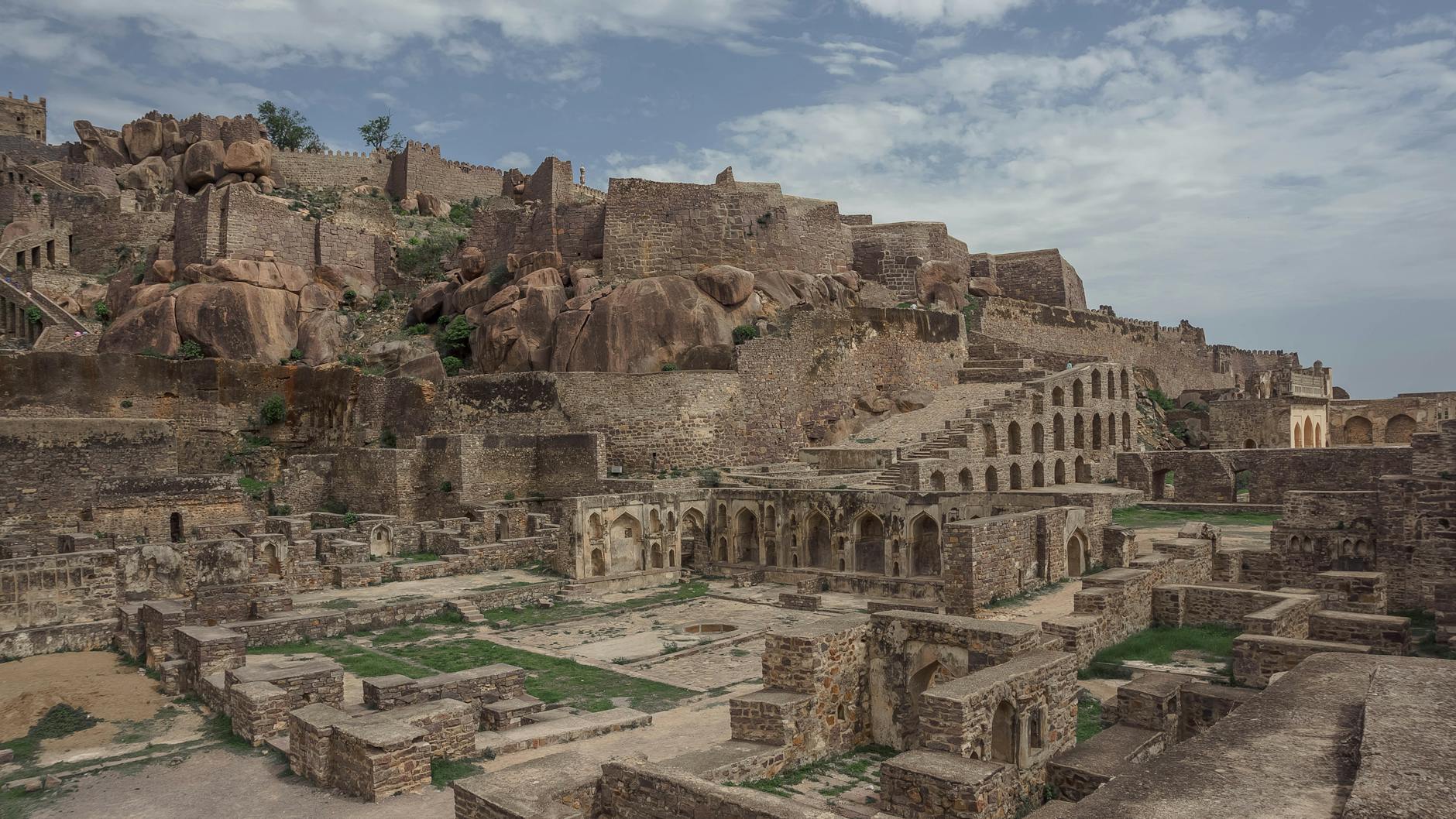
Le jour commence souvent autour de 6h00 avec la prière matinale dans les temples locaux, suivi d’un petit déjeuner simple à base de lait, de pain et de fruits de saison. Les habitants profitent du climat agréable pour se rendre au marché local où ils achètent des légumes frais, des épices et du pain.
Points Forts & Points Faibles
✅ Avantages
- Vie communautaire forte avec des liens familiaux et religieux
- Coût de la vie relativement bas
- Accès facile à la nature et aux paysages ruraux
- Richesse culturelle et gastronomique
- Sécurité publique modérée
⚠️ Inconvénients
- Limited industrial job opportunities
- Reliance on agriculture makes the economy vulnerable to climate variations
- Public transport schedule can be infrequent
- Limited access to high‑end amenities and entertainment
- Language barrier for non‑Kannada speakers
Le Mot de la Fin
Kalyanasingpur offre une immersion profonde dans la vie rurale du sud de l'Inde, combinant paysages naturels préservés, traditions culturelles vivantes et une communauté accueillante. Que ce soit pour découvrir la gastronomie locale, explorer les collines environnantes ou simplement vivre comme les habitants, cette région constitue une destination incontournable pour les âmes curieuses.
← Retour à l'accueilUne question sur Kalyanasingpur ?
4 discussions en cours — habitants et voyageurs partagent leurs vrais bons plans. Rejoignez la conversation !