Japon : Ozora
Nestled in the rolling hills of Tolna County in southern Hungary, Ozora (often spelled Ózora) is a small village that punches far above its weight ...
Ozora : L'Essentiel
Nestled in the rolling hills of Tolna County in southern Hungary, Ozora (often spelled Ózora) is a small village that punches far above its weight on the global cultural map. While its permanent population hovers around 1,600 residents, this tranquil agricultural community transforms each summer into the epicenter of one of the world's most renowned psychedelic trance festivals, the Ozora Festival. Beyond the beats and neon lights, Ozora offers a authentic slice of Hungarian rural life: centuries-old traditions, stunning natural landscapes, thermal waters, and a warmth of hospitality that lingers long after the music fades. This guide explores the dual identity of Ozora - the sleepy village steeped in history and the pulsating heart of global psytrance culture - providing everything you need to know whether you're a festival pilgrim, a nature lover, a history buff, or someone seeking a peaceful retreat in the Hungarian countryside.
Localisation de Ozora
Découvrez où se situe Ozora sur la carte de Japon.
24h dans la vie d'un Local
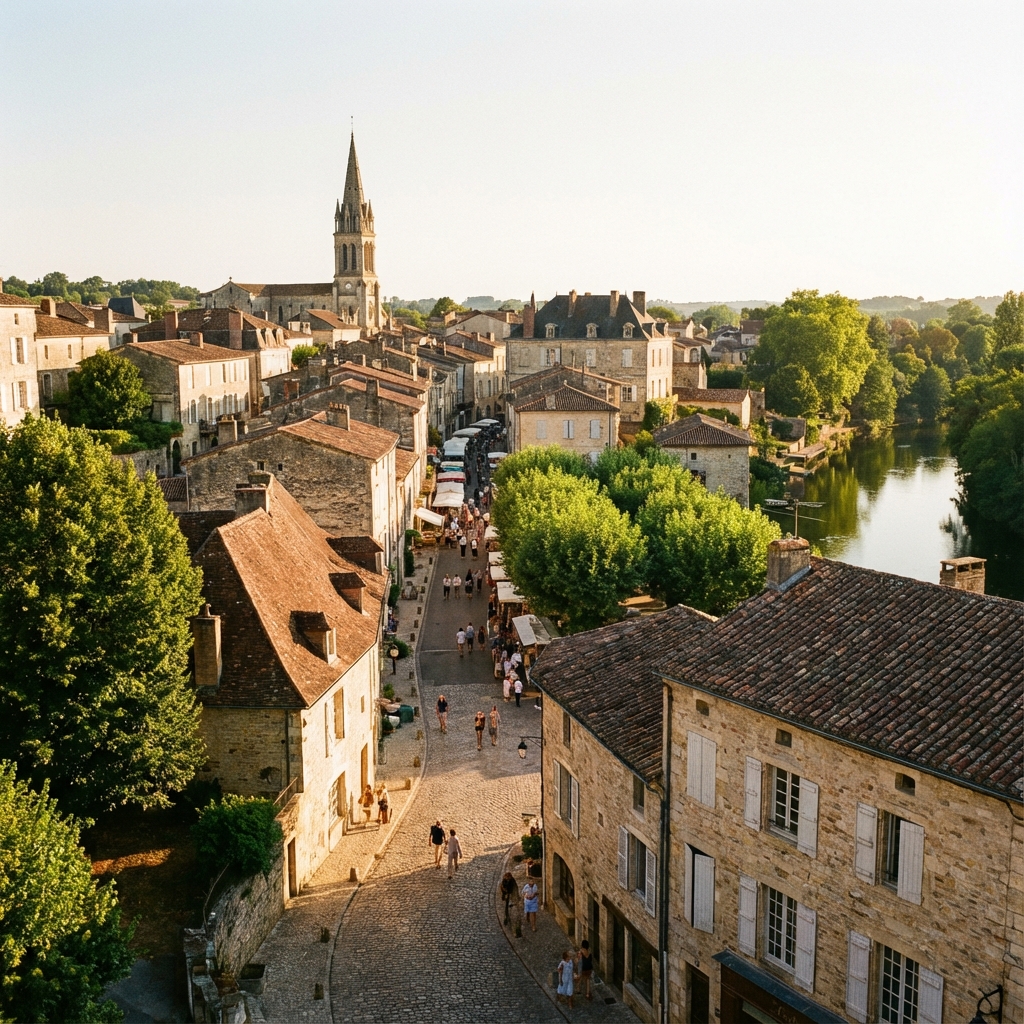
6:30 AM - Roosters crow, church bell rings. Locals walk dogs, buy fresh bread/kifli from the small shop. Farmers head to fields/vineyards. Festival season: campers wake to birdsong, yoga sessions at sunrise, communal breakfasts.
12:00 PM - Main meal (főzelék, meat stew, pickles). Families eat together. Shops busy. Summer: festival-goers explore food court, art installations, workshops. Heat drives siesta culture.
3:00 PM - Agricultural work continues. Elderly sit on benches chatting. Children play in streets/soccer field. Festival: main stages activate, workshops peak, market bustles.
10:00 PM - Village sleeps quietly. Festival: nocturnal magic, chillout zones, fire shows, deep conversations under stars. 4 AM: last sets, sunrise ceremonies.
Culture & Dynamisme
Économie & Innovation
Secteurs clés : Agriculture (plums, grapes, wheat, corn, sunflowers), Tourism (festival-driven, thermal, eco/rural), Small-scale food processing (pálinka, jam, wine), Construction/renovation, Retail/services (village shop, pubs, guesthouses)
Points Forts & Points Faibles
✅ Avantages
- Unique global festival culture fused with authentic Hungarian village life
- Stunning natural surroundings (Gemenc, Danube, hills) with outdoor activities
- Very low cost of living and affordable real estate
- Thermal spas and wellness opportunities nearby
- Strong, welcoming community with high social cohesion
- Excellent internet infrastructure (fiber) due to festival needs
- Strategic location: 2h to Budapest, 1h to Pécs, near M6/M9 highways
- Rich gastronomy: pálinka, wine, mangalica, farm-to-table
- Safe, peaceful environment, very low crime
- Vibrant arts/spirituality scene year-round from festival legacy
⚠️ Inconvénients
- Limited local employment outside agriculture/tourism; commuting needed
- Public transport infrequent; car highly recommended
- Language barrier: Hungarian dominant, English/German common only in festival circle
- Festival week brings massive crowds, noise, traffic, price spikes (1 week/year)
- Healthcare specialists require travel to Szekszárd/Pécs
- Winters can be gray, damp, cold; limited indoor entertainment
- Shopping options basic; supermarkets/malls in Szekszárd
- Bureaucracy for non-EU buyers/residents can be slow
- Aging population, youth outmigration to cities
- Seasonal income volatility for festival-dependent households
Le Mot de la Fin
Ozora is far more than a festival venue; it's a living paradox where the pulse of global counterculture beats in harmony with the steady heart of Hungarian village life. Its magic lies in this synthesis - the ancient plum trees witnessing both generations of farmers and generations of ravers. Visiting outside festival season reveals the true soul of the place: generous hosts sharing pálinka under vine-covered pergolas, the scent of gulyás simmering over open fires, the silence of starlit nights broken only by owls. Yet the festival's legacy is woven into the fabric - in the colorful murals adorning barns, the international friendships forged, the open-mindedness of locals. Whether you come to dance till dawn under the iconic UFO stage, to hike primeval forests, to soak in healing thermal waters, or simply to experience authentic Puszta hospitality, Ozora welcomes you with open arms and a rhythm all its own. Plan your visit, respect the land and its people, and let Ozora's unique alchemy work on you.
← Retour à l'accueilUne question sur Ozora ?
4 discussions en cours — habitants et voyageurs partagent leurs vrais bons plans. Rejoignez la conversation !