Philippines : Camalanuag
Nestled in the rolling hills of the Cagayan Valley region in the northern Philippines, Camalanuag is a small but vibrant barangay with a population...
Camalanuag : L'Essentiel
Nestled in the rolling hills of the Cagayan Valley region in the northern Philippines, Camalanuag is a small but vibrant barangay with a population of approximately 11,000 residents. Located within the province of Cagayan, this community sits at the crossroads of the Cordillera mountain foothills and the expansive Cagayan River basin, giving it a unique geographical character that shapes daily life. The name Camalanuag is believed to derive from the Ilocano words "kamal" (meaning "to gather") and "anuag" (referring to a type of local grass), hinting at its origins as a gathering place for early settlers who cultivated the fertile lowlands. Historically, the barangay grew from a cluster of rice-farming families during the Spanish colonial period, later becoming a formal barangay under the Philippine municipal system. Today, Camalanuag retains its strong agricultural roots while gradually embracing small-scale commerce and tourism. The community is predominantly Ilocano-speaking, with Tagalog and English widely understood, reflecting the linguistic tapestry of the region. Its population is relatively young, with a median age in the early twenties, and families tend to be close-knit, often spanning multiple generations under one roof. The barangay is governed by a barangay captain and council, who oversee local projects ranging from road maintenance to health outreach. Despite its modest size, Camalanuag serves as a microcosm of rural Philippine life in the Cagayan Valley — resilient, community-oriented, and deeply connected to the land.
Localisation de Camalanuag
Découvrez où se situe Camalanuag sur la carte de Philippines.
24h dans la vie d'un Local
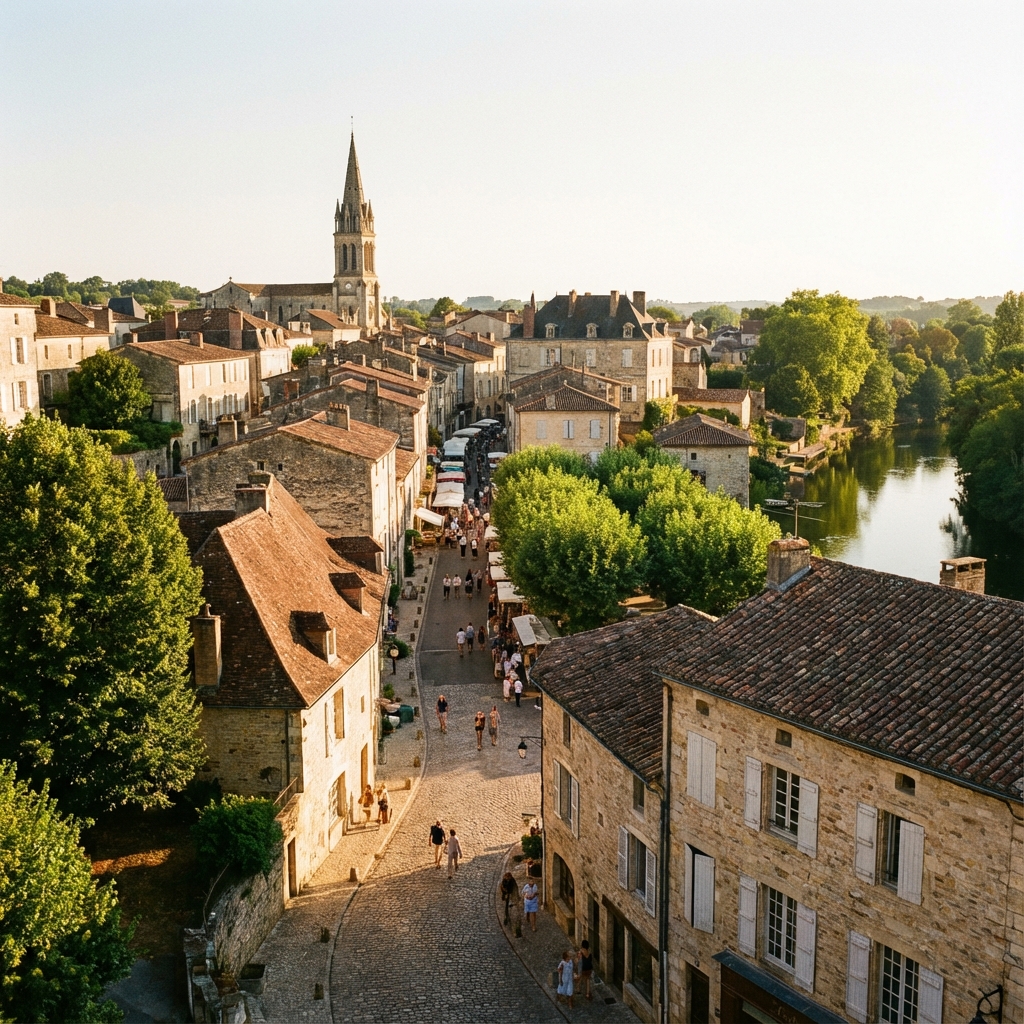
4:30 AM – Farmers head to rice fields; 5:30 AM – Women prepare breakfast (fried rice, dried fish, eggs); 6:00 AM – Children walk to school in groups; 6:30 AM – Tricycle drivers line up at the barangay center for early commuters.
11:30 AM – Lunch break; families eat together; 1:00 PM – Farmers rest under nipa huts; vendors sell snacks near the plaza; 3:00 PM – Students return, help with chores (fetching water, feeding livestock); 4:30 PM – Basketball games start at the court.
Points Forts & Points Faibles
✅ Avantages
- Low cost of living
- Strong community support networks
- Clean air and natural scenery
- Fresh, affordable food from local farms
- Rich cultural traditions and festivals
- Safe, low-crime environment
- Growing digital connectivity
- Proximity to Tuguegarao for urban amenities
⚠️ Inconvénients
- Limited specialized healthcare
- Seasonal income from farming
- Poor road conditions in upland areas
- Frequent power outages during typhoons
- Limited higher education options locally
- Outmigration of young professionals
- Vulnerability to climate extremes (floods, droughts)
- Inadequate public transportation frequency
Le Mot de la Fin
Camalanuag may not appear on mainstream tourist maps, but its charm lies precisely in its authenticity. Here, you won't find curated experiences — only genuine ones: sharing a meal of pinakbet and grilled tilapia with a farming family, hiking to a hidden waterfall guided by a local teenager, or joining a barangay fiesta where the whole community dances to the beat of a brass band. The barangay's strength is its people — resilient, hospitable, and deeply rooted in their land. As infrastructure improves and digital connectivity expands, Camalanuag stands at a crossroads, poised to preserve its identity while embracing sustainable development. Whether you visit for a weekend or consider staying for a lifetime, Camalanuag offers a rare glimpse into the heart of rural Philippines — unfiltered, unpretentious, and unforgettable.
← Retour à l'accueilUne question sur Camalanuag ?
4 discussions en cours — habitants et voyageurs partagent leurs vrais bons plans. Rejoignez la conversation !